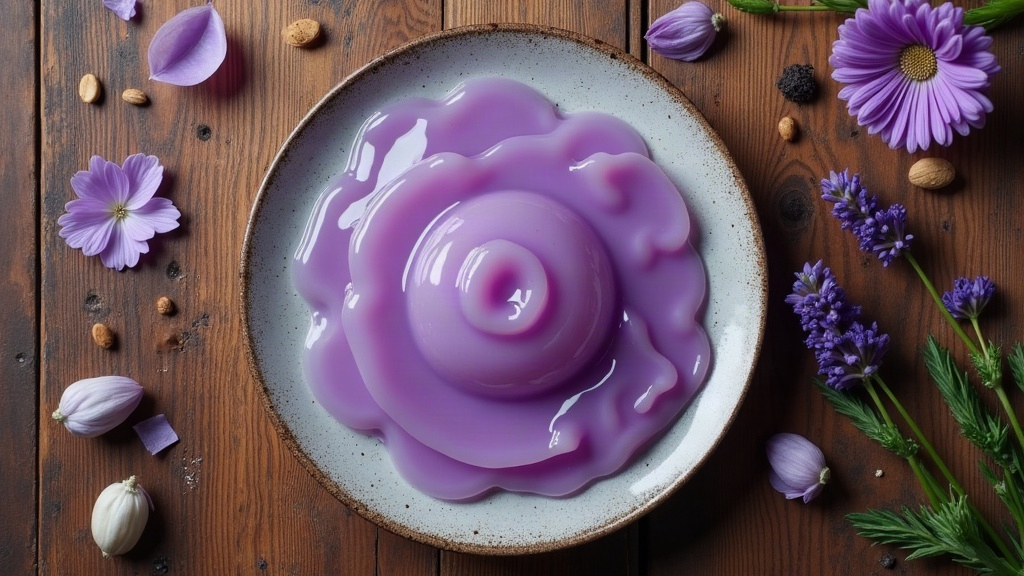
Before your coffee, your skincare, or your breakfast, your body has already been through a lot overnight. This short video looks at why gelatin keeps showing up in conversations about women’s changing nutritional needs — no hype, just context.
Long before anyone notices anything in the mirror, several quiet shifts are already happening. Here are four that come up often in nutritional discussions.
The body's natural collagen output tends to decline gradually, which is part of why gelatin — a cooked form of collagen — gets mentioned so often in wellness conversations.
The way fullness is communicated between the gut and the brain can change over the years, which affects how meals are planned and portioned.
Muscle tissue doesn't stay static; its gradual decline is a normal part of aging that many women aren't told about early enough.
Many popular diet frameworks were never designed with these shifts in mind, which is why some women feel their old routines stop making sense.
Metabolism is one of the most misunderstood topics in wellness content. Here’s a sober look at three common claims.
Metabolism ‘breaks’ at a certain age.
Metabolic rate changes gradually and is influenced by many factors, not a single birthday.
Cutting calories drastically is the fastest way to change your body.
Severe restriction can affect lean mass and satiety signals, which is why gradual approaches are more commonly recommended.
All protein sources work the same way in the body.
Different amino acid profiles — like the ones found in gelatin — serve different roles in tissues such as skin, joints, and connective structures.
None of this is a program or a promise — just a structure that shows up repeatedly in wellness discussions.
Start by paying attention to when fullness, energy, or skin changes seem to shift throughout the week.
Small, consistent habits — like meal timing or ingredient choices — are usually discussed before anything more complex.
Most educational sources emphasize steady habits over drastic short-term changes.
Long before powders and capsules, households simmered bones and connective tissue for hours to make gelatin-rich broths — a practice rooted in resourcefulness, not trend. Grandmothers in many cultures treated this as a kitchen staple, not a wellness product. Gelatin itself is simply cooked collagen, broken down into a form the body can digest.
Insight: The rise of processed, boneless, quick-cook meals in the last few decades means many households simply stopped preparing gelatin-rich foods altogether — not because they were disproven, but because they were inconvenient.
Feeling hungry shortly after eating a full meal is a signal some women notice as satiety patterns shift.
Looser or less elastic-feeling skin is often discussed alongside declining collagen production.
Mild stiffness after sitting or during activity is commonly mentioned in connective tissue discussions.
The scale staying the same while clothes fit differently is often linked to lean mass changes.
Afternoon energy crashes are sometimes tied to how meals are balanced throughout the day.
Nails that chip or split more easily are frequently mentioned in the same conversations as collagen and protein intake.
Testimonials reflect individual experiences and opinions. Individual results may vary, and these statements are not intended as evidence of any specific outcome.
Hydrolyzed gelatin is gelatin that has been further broken down into smaller peptides, making it easier to dissolve and digest compared to traditional gelatin.
Gelatin is derived from collagen through a cooking process. They share a similar amino acid profile, but gelatin is the cooked, digestible form.
No. The video is educational content meant to explain general wellness concepts, not to diagnose, treat, or promise any specific outcome.
It’s designed for women who are curious about how nutrition and body composition topics are discussed in wellness circles.
No changes are required to watch the video. It’s simply informational.
The video discusses general wellness concepts related to gelatin and collagen; any related offers are presented separately and clearly.
It’s a short video designed to be watched in a few minutes during a normal daily routine.
It’s a short, no-pressure watch that dives deeper into the ideas covered on this page — from collagen to daily habits.
Advertising Disclosure: This page contains sponsored content and affiliate links. We may receive compensation if you choose to click on links or make a purchase through this site. This helps support our content at no additional cost to you.
Content Disclaimer: This content is for educational and informational purposes only. It has not been evaluated by the FDA and is not intended to diagnose, treat, cure, or prevent any disease. Always consult a qualified healthcare professional before making changes to your diet, supplement routine, or lifestyle.
Results Disclaimer: Individual results may vary. Testimonials and statements shared on this page reflect personal experiences and opinions, and are not a guarantee of any specific outcome for any individual.
© 2026 · All Rights Reserved · /contact/